
Pests and Diseases in Bonsai
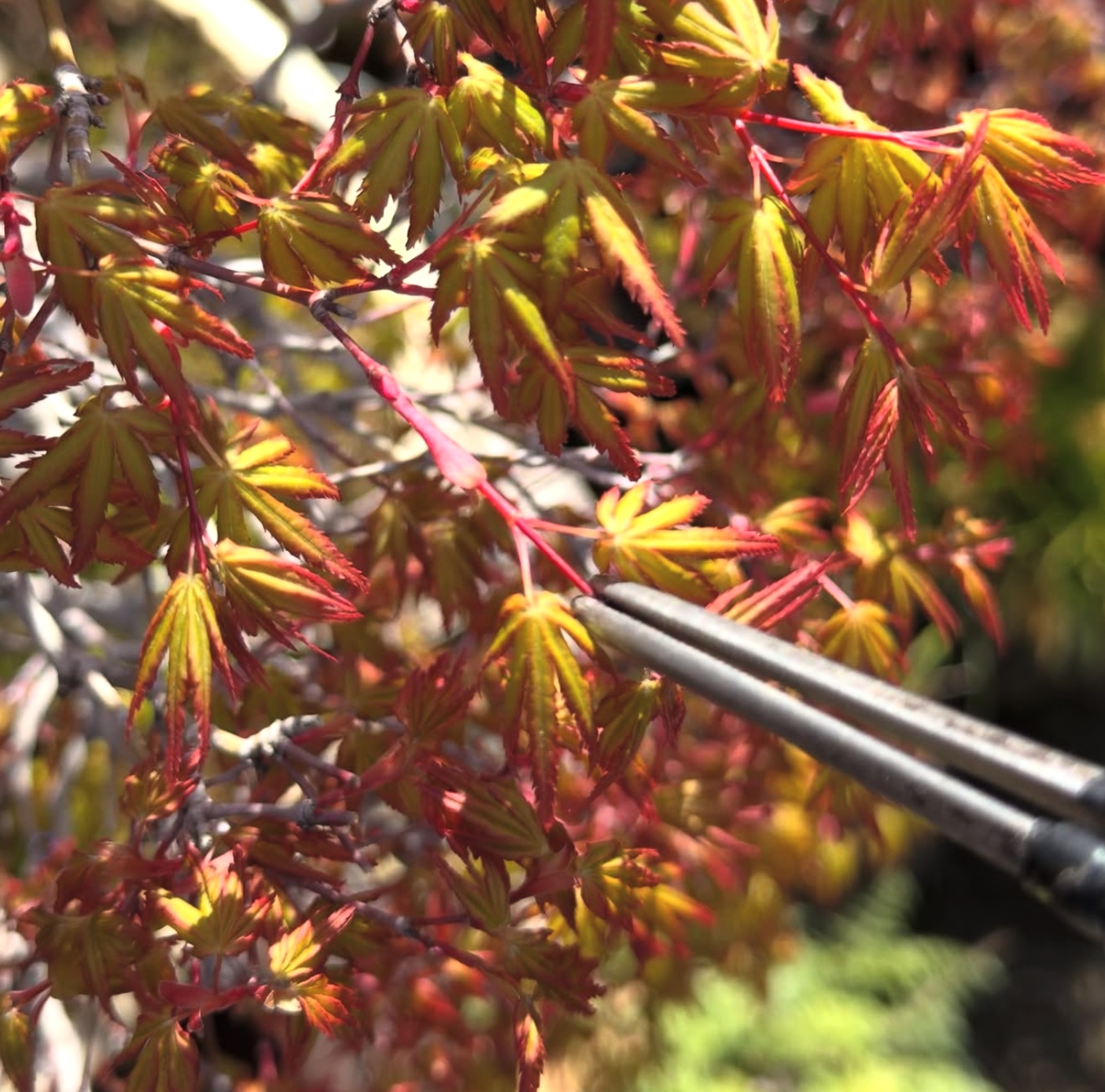
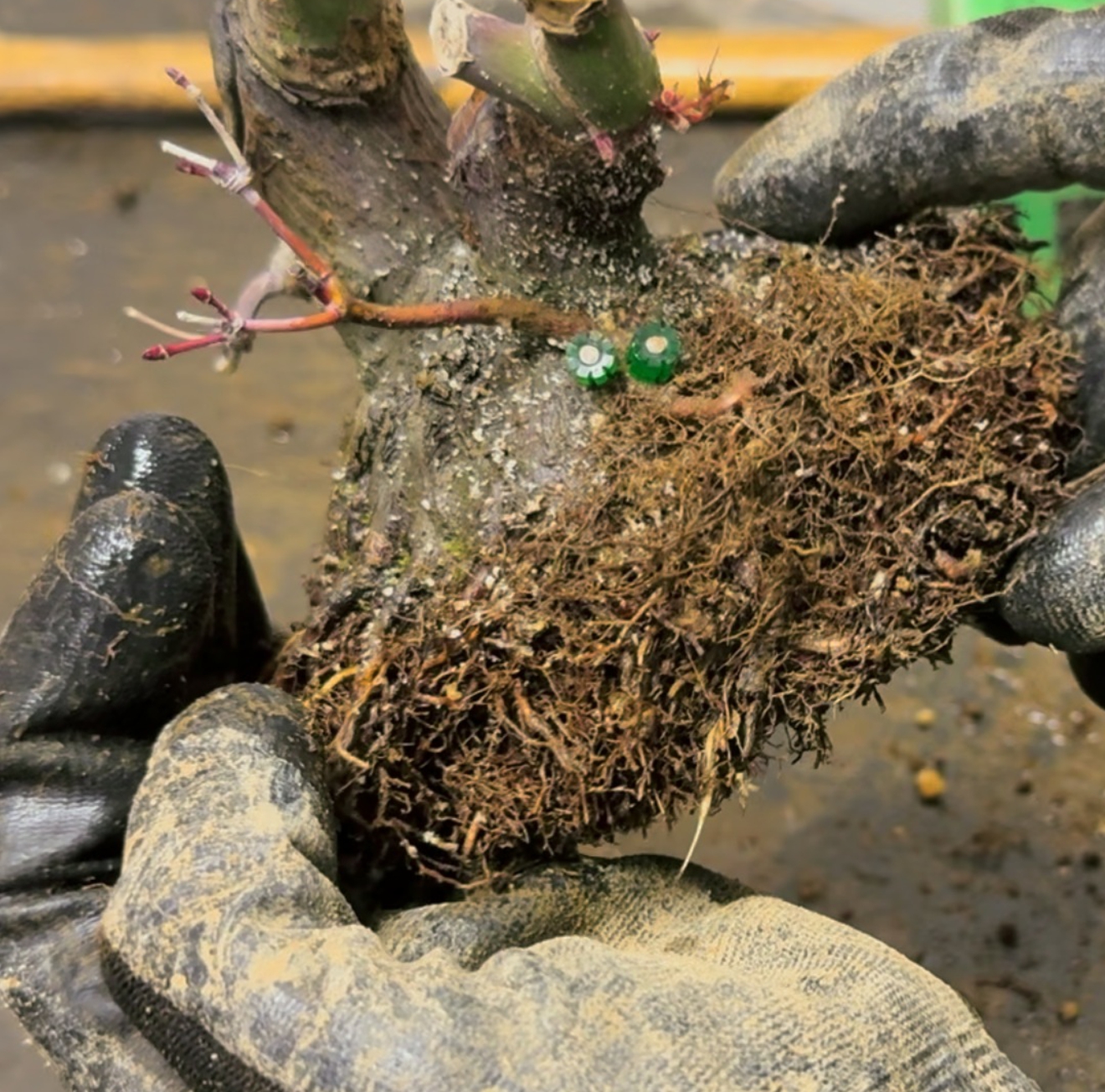
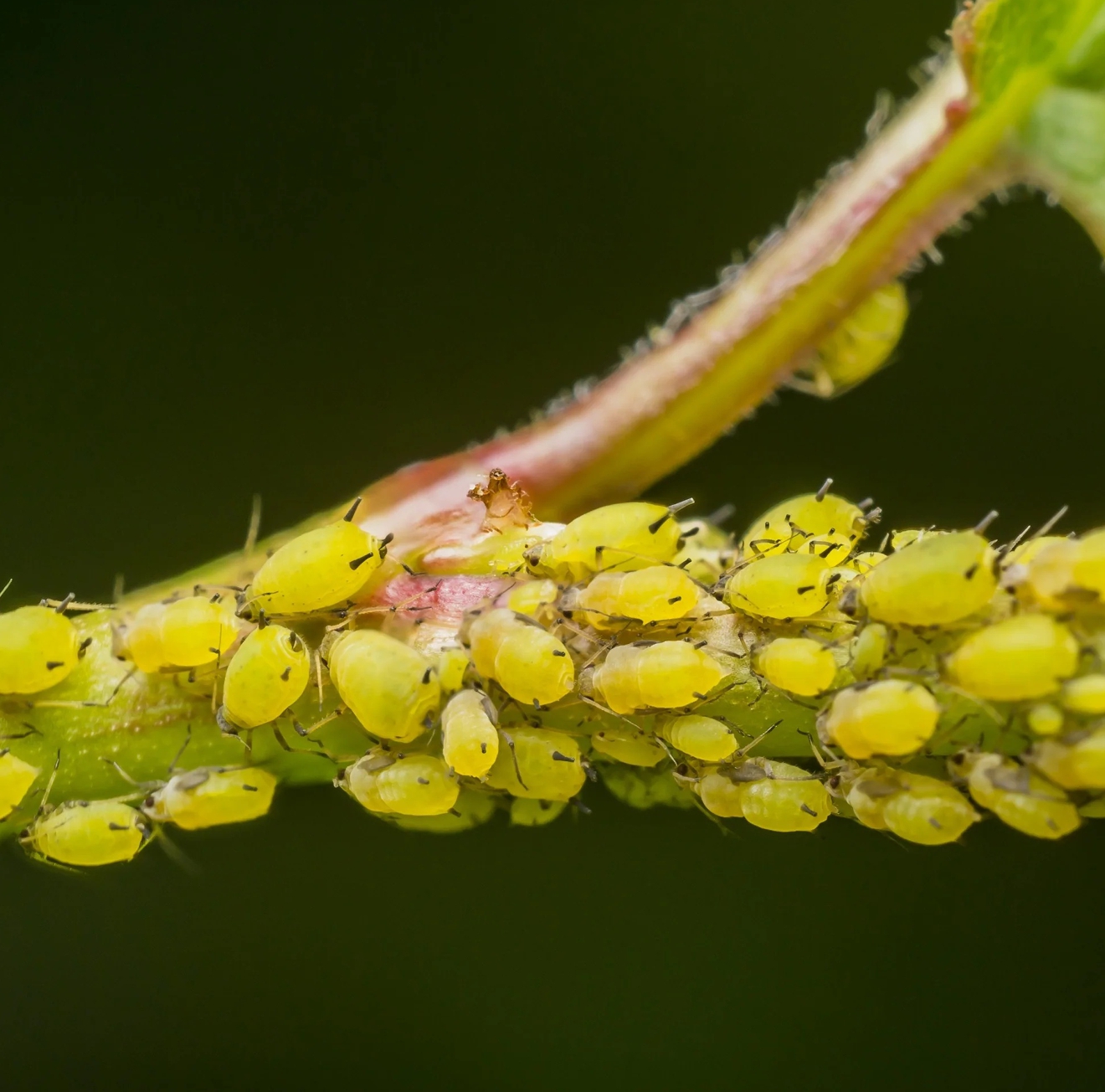
Spring is one of the most active and rewarding periods in bonsai, but it also brings increased risk from pests and fungal diseases. As trees produce fresh, soft growth, they become more vulnerable, and rising temperatures combined with humidity create ideal conditions for problems to develop. Pests such as aphids, spider mites, thrips, scale insects, and others mainly target new growth or weaken the tree by feeding on sap. Some, like caterpillars or slugs, cause direct visible damage, while others, like root aphids or vine weevils, work below the surface and are harder to detect. Early signs are often subtle, which makes regular inspection essential. In many cases, simple measures such as water spraying, manual removal, or targeted treatments are enough when problems are caught early. Repeated treatment is often necessary for pests with fast life cycles. Fungal issues are closely linked to environmental conditions rather than direct attack. Moisture, poor airflow, and dense foliage create the perfect setting for diseases like powdery mildew, leaf spot, and root rot. Some, like sooty mold, appear as a secondary effect of insect activity. Others, such as juniper rust, are more serious and can persist within the tree, sometimes requiring removal of infected parts. In practice, pest and fungal management should always be considered together. Good structure, proper spacing, and balanced watering reduce the likelihood of most problems before they begin. At Aichi-en, the approach is mainly reactive for pests, treating only when necessary, while fungal issues are addressed based on environmental conditions, especially after long periods of rain. Over time, managing these issues becomes part of daily observation. Recognizing early signs and understanding how conditions influence problems allows for quick response and keeps trees healthy, balanced, and strong.