

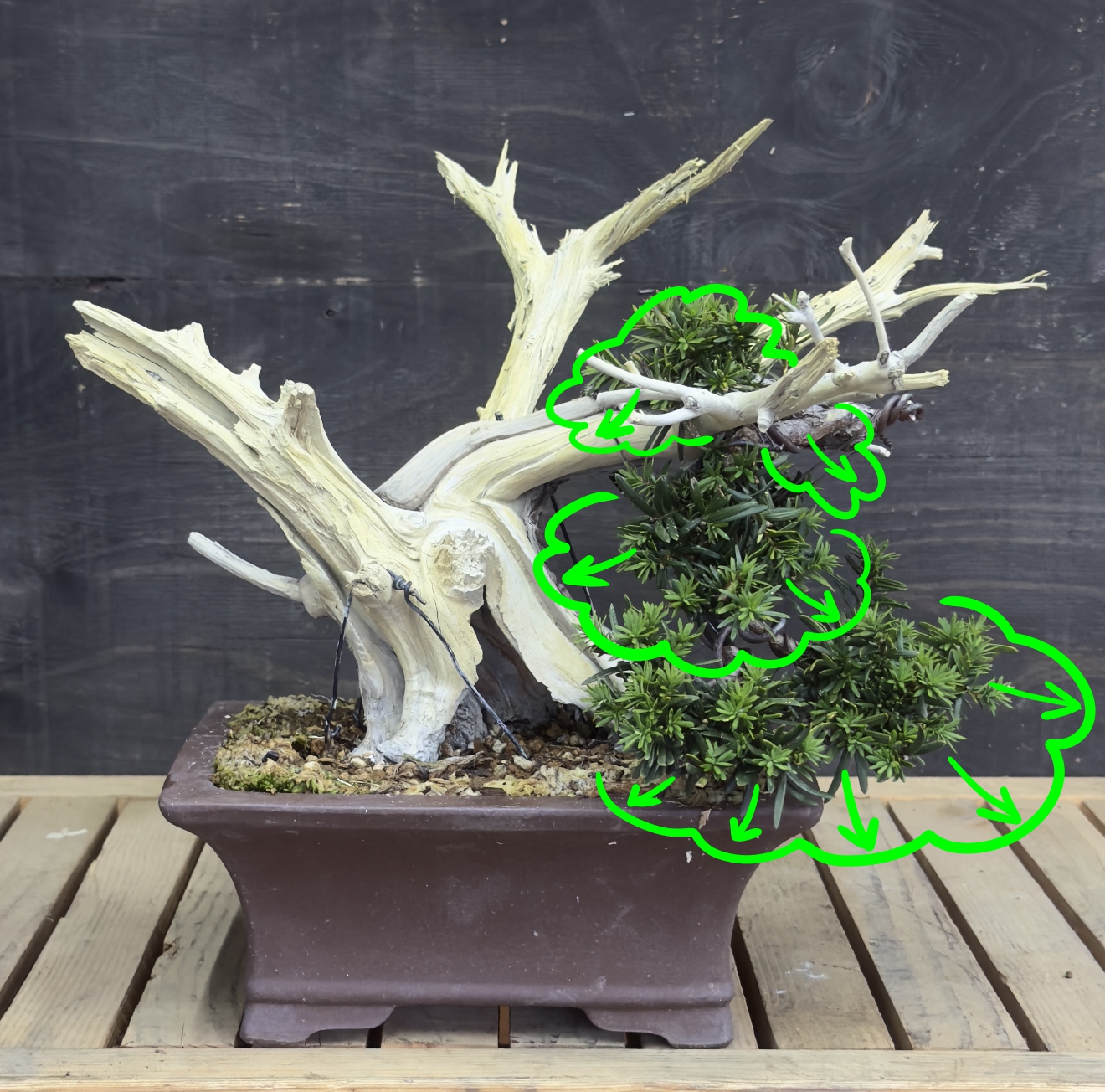
Building Primary Structure vs Secondary Refinement – The Most Important Concept in Bonsai (Practical Advice)

  • Post author:
  • Post category:Uncategorized

This practical article follows the full development of a Japanese yew collected from a garden and transformed into a bonsai through careful structural work. It shows how recognizing hidden potential, making clear early decisions, and prioritizing primary structure over quick visual results leads to a much stronger tree in the long term. From collection and recovery to heavy cutback, rebuilding, and first structural wiring, the focus is always on doing the right work at the right time. The article demonstrates why refinement cannot fix poor structure, and how patience and correct timing allow a tree to develop naturally and with purpose.

Continue ReadingBuilding Primary Structure vs Secondary Refinement – The Most Important Concept in Bonsai (Practical Advice)

Building Primary Structure vs Secondary Refinement

  • Post author:
  • Post category:Uncategorized

This article explores one of the most important concepts in bonsai development: the difference between building primary structure and doing secondary refinement. Many bonsai look refined on the surface, but still lack a strong foundation because detail work started too early. In this theoretical article, I explain why structure always comes first, what truly defines primary structure, why refinement cannot fix design problems, and how understanding development stages changes the way you approach bonsai. Learning to do the right work at the right time is what allows a tree to improve naturally over many years.

Continue ReadingBuilding Primary Structure vs Secondary Refinement

One Tree, Many Techniques, Multiple Generations

  • Post author:
  • Post category:Uncategorized

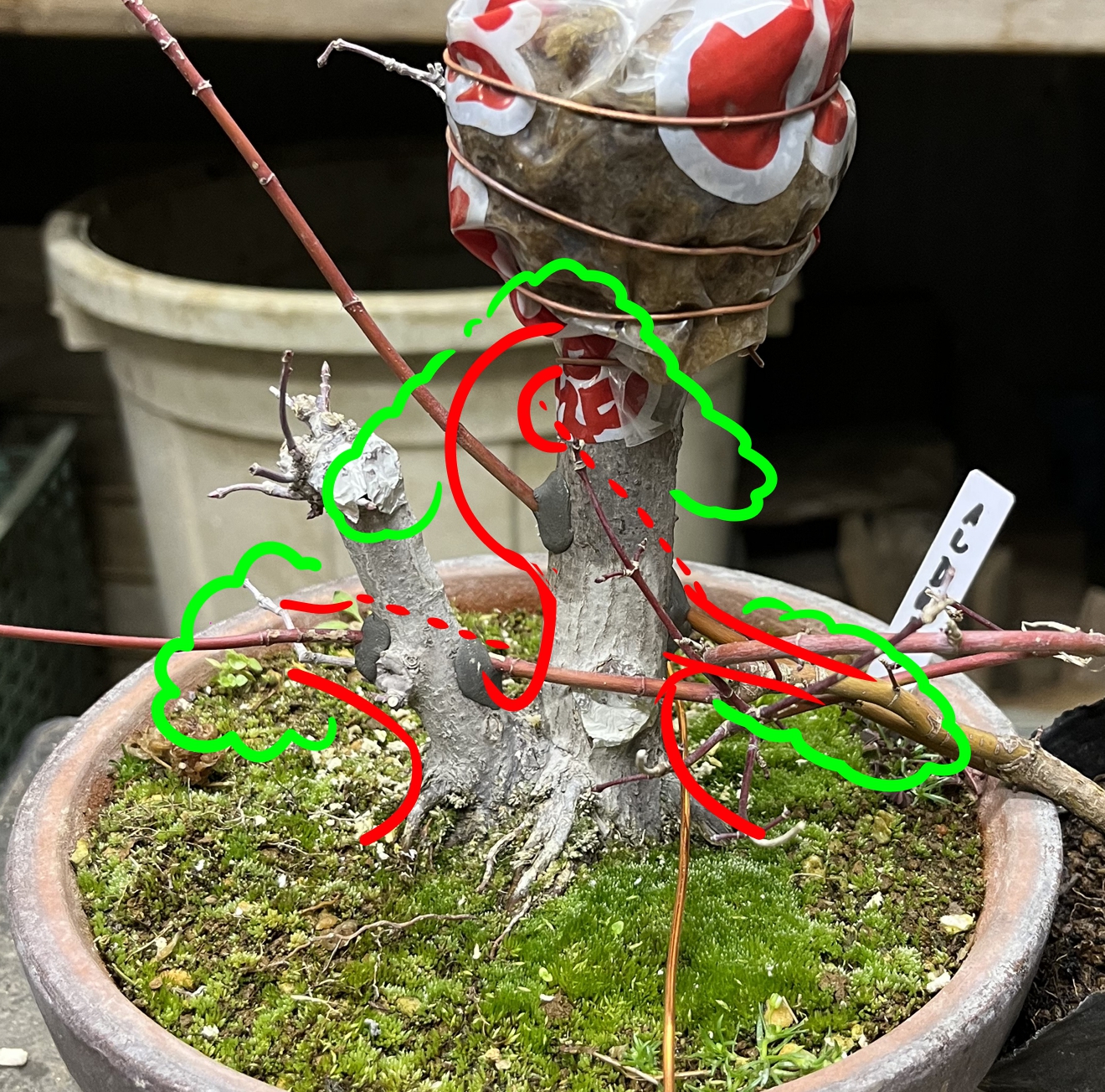
This article follows the long-term transformation of a single Japanese maple, showing how one piece of material can evolve through multiple techniques, decisions, and even become two separate bonsai. It begins with a modest tree that had strong roots and character, but no real structure. Rather than trying to refine what was there, the approach was to completely remake it. By reducing the size to shohin, rebuilding the structure through thread grafting, and carefully selecting better genetic material, the tree was redesigned from the inside out. Along the way, an unexpected opportunity led to air layering the top, creating a second, smaller tree. What started as one project became two, each with its own direction and level of refinement. From there, the focus shifted to the slower, often overlooked phase of bonsai development. Years of careful growth control, internode management, and subtle improvements like root grafting gradually pushed the trees forward. No dramatic changes, just consistent, patient work. More than anything, this is a story about process. It highlights the reality of bonsai as a long-term practice shaped by time, adaptation, and evolving understanding. The tree is still unfinished, and likely will be passed on to another apprentice in the future, continuing its development across generations. In the end, it’s not about a finished result, but about building a foundation that others can continue.

Continue ReadingOne Tree, Many Techniques, Multiple Generations